18 May 2026
Virginia's House Bill 161 Sets Stage for Regulated Online Casino Gaming Expansion

Pre-filed legislation in Virginia known as House Bill 161 prepares the ground for real-money online casino operations ahead of the 2026 General Assembly session, and observers note that this measure would introduce slots, table games, and poker through digital platforms tied directly to existing land-based operators. The proposal limits the number of casino skins to fifteen while placing oversight with the Virginia Lottery Board, which would enforce licensing standards and compliance protocols across participating sites.
Data from state projections shows the bill could generate revenue through a fifteen percent tax on adjusted gross revenue, and this framework builds upon the sports betting market that launched in 2021. Lawmakers crafted the language to integrate strong responsible gaming provisions, including player verification systems and access to self-exclusion tools that mirror requirements already in place for other forms of legal wagering.
Core Provisions and Regulatory Structure
Under the terms outlined in House Bill 161, online casino gaming remains restricted to operators with physical casino locations inside the state, which creates a direct link between digital offerings and brick-and-mortar facilities already approved through prior legislation. The Virginia Lottery Board receives authority to issue and monitor the fifteen skins, while each skin operates under strict technical standards for game fairness, data security, and transaction processing that align with national best practices for remote gambling platforms.
Revenue collection follows a straightforward model where the fifteen percent tax applies after prizes and promotional deductions, and state analysts estimate this stream could help close a projected one billion dollar budget shortfall without introducing new fees on players. Regulatory staff would conduct regular audits, review marketing materials, and ensure age verification blocks anyone under twenty-one from accessing the platforms.
Timeline and 2026 Session Context
Pre-filing of the bill occurred well before the formal start of the 2026 General Assembly, allowing committees time to review fiscal notes and stakeholder input during interim meetings. By May 2026, legislative calendars indicate that subcommittees plan to hold public hearings on gaming expansion measures, giving industry representatives and advocacy groups an opportunity to present data on player behavior and tax collection trends from neighboring states.
Those who've tracked Virginia gambling policy recall that sports betting authorization moved through similar pre-filing and hearing stages before full enactment, and the current proposal follows that established path without expanding beyond the skin limit tied to land-based partners. Observers note that May sessions often focus on budget reconciliation, which places the revenue estimates from House Bill 161 under particular scrutiny as lawmakers balance appropriations across education, transportation, and public safety programs.
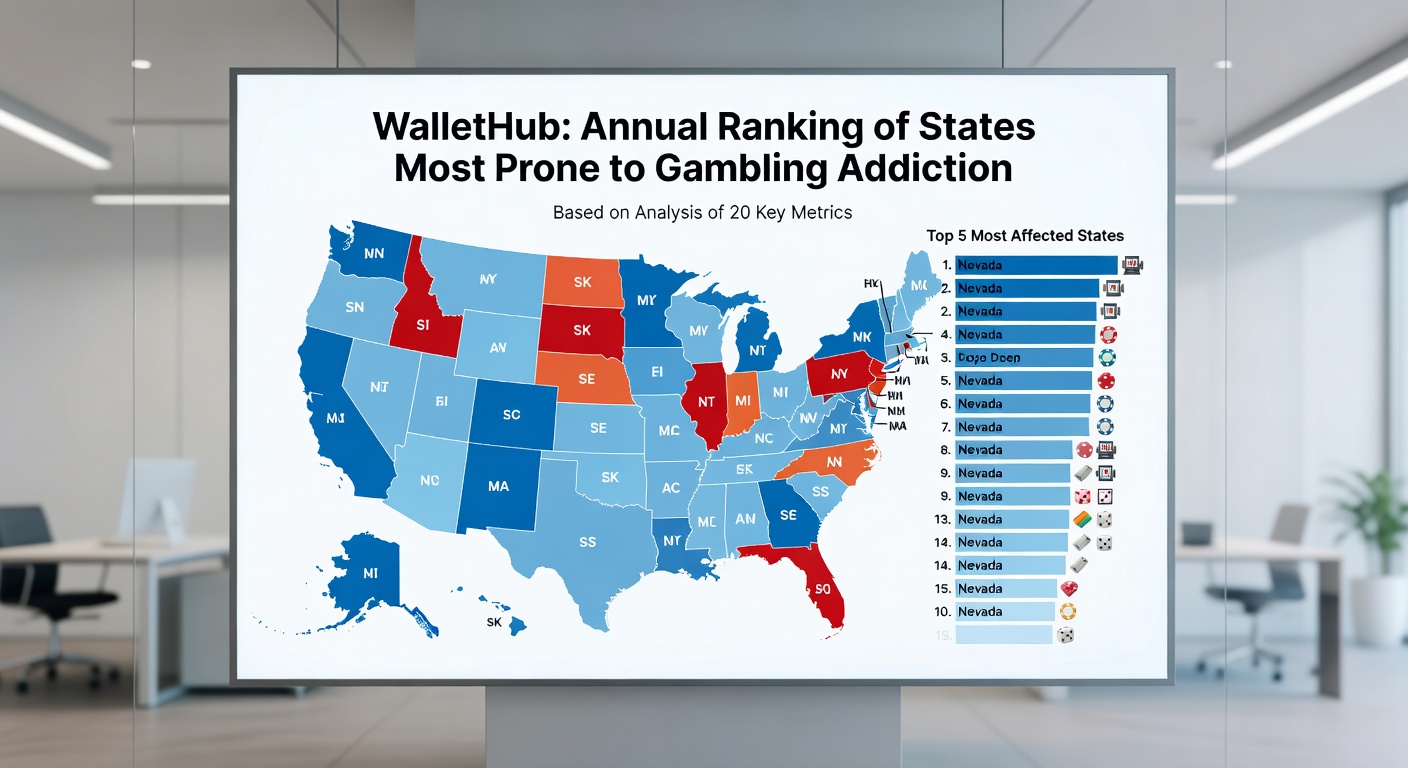
Responsible Gaming and Consumer Protections
House Bill 161 embeds multiple layers of player safeguards that require operators to display clear deposit limits, session timers, and reality checks at regular intervals during play. The Virginia Lottery Board would maintain a centralized database for self-exclusion, allowing individuals to block themselves from all licensed skins through a single request that updates in real time across participating platforms.
Studies from other jurisdictions indicate that such integrated tools reduce problem gambling incidents when paired with mandatory staff training and advertising restrictions that prohibit targeting vulnerable populations. The legislation also directs a portion of tax proceeds toward problem gambling treatment programs administered through state health agencies, creating a dedicated funding mechanism that does not rely on general revenue allocations.
Economic and Market Implications
Market analysts project that the addition of online casino skins could increase overall gaming handle in Virginia by building on the infrastructure already developed for sports betting apps, and this integration allows operators to leverage existing customer databases while complying with geofencing requirements that confine play to state borders. The fifteen percent tax rate sits within the range seen in other states with similar online casino frameworks, providing a competitive yet sustainable model for long-term revenue growth.
Employment opportunities would expand in areas such as software compliance, customer support, and regulatory auditing, while land-based casinos gain digital extensions that attract younger demographics without cannibalizing foot traffic at physical locations. Figures released by state economic development offices show that past gaming expansions have supported local hospitality sectors through increased visitor spending, and the current bill includes provisions that encourage operators to maintain community investment commitments tied to their original casino licenses.
Conclusion
House Bill 161 represents a measured step in Virginia's ongoing evolution of legal gaming options, with its focus on fifteen operator-linked skins, fifteen percent taxation, and comprehensive responsible gaming standards providing a clear blueprint for implementation if lawmakers advance the measure during the 2026 session. The connection to the 2021 sports betting rollout offers precedent for how quickly regulated markets can scale once licensing and technology frameworks are established. As May 2026 approaches and committee work intensifies, the bill's progress will depend on detailed fiscal modeling and public input that together determine whether the projected budget relief materializes alongside the new consumer protections.