30 May 2026
Patterns of Feature Usage in Betting Applications and Their Relation to Session Management Techniques
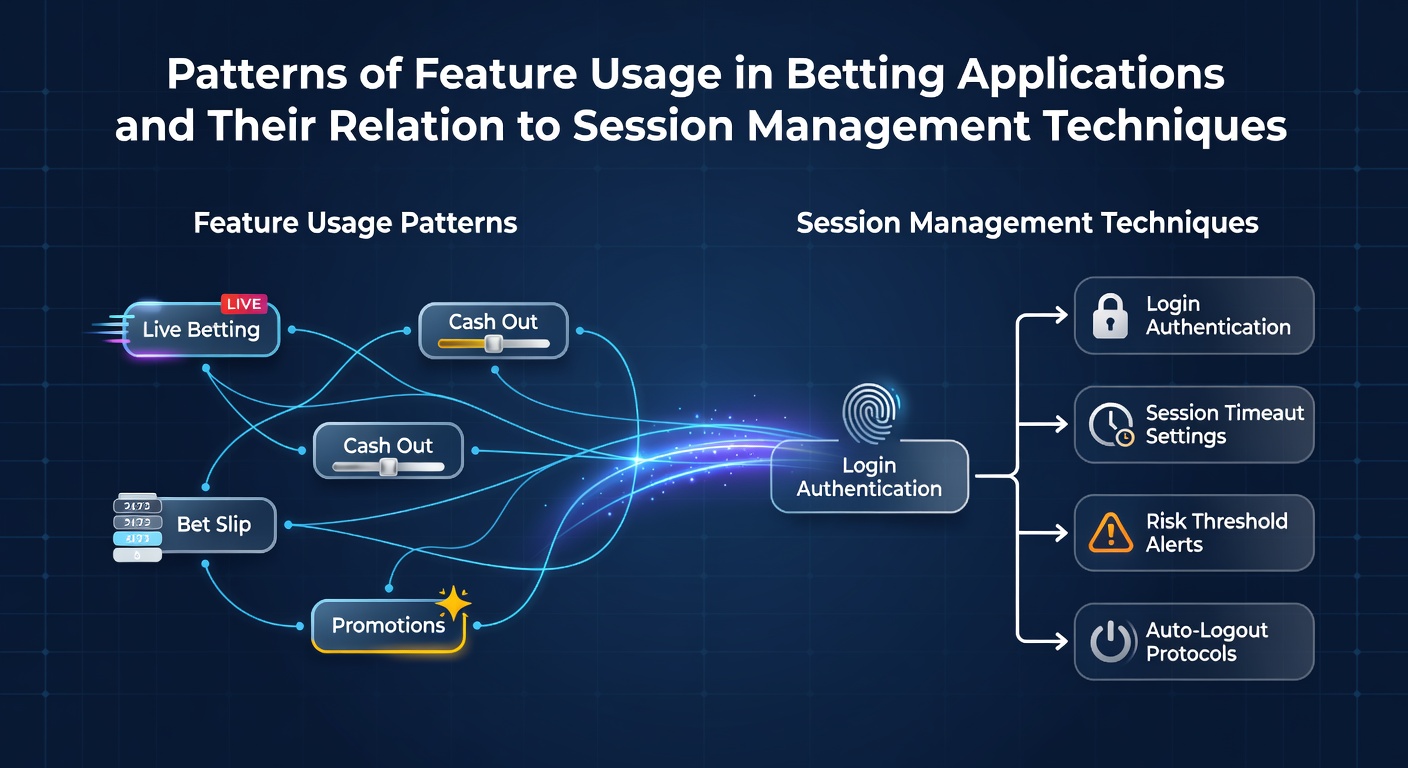 Research from multiple regulatory bodies indicates that betting applications incorporate various interactive elements such as live odds updates, instant deposit options, cash-out buttons, and personalized notifications, while session management techniques include built-in timers, spending caps, and mandatory break prompts. Data collected across platforms in 2025 reveals distinct patterns in how these features get utilized and how they connect to user control mechanisms. Analysts have tracked feature engagement through anonymized app telemetry and found that quick-access betting tools see higher activation rates during the first 15 minutes of a session, whereas analytical tools like historical performance charts tend to appear later when users extend their time on the platform. This sequencing matters because it aligns with the point where many applications trigger optional session management prompts.
Core Features and Observed Utilization Rates
Betting apps commonly offer deposit accelerators, multi-bet builders, and push alerts for market movements, and usage statistics from North American operators show deposit features activated in approximately 68 percent of sessions lasting beyond 20 minutes. Cash-out functionality appears in 42 percent of those same extended sessions, according to aggregated reports compiled by the Canadian Centre for Addiction and Mental Health.
Notification systems receive mixed interaction levels, with users often dismissing 75 percent of alerts within the first hour yet responding to 30 percent of personalized bonus messages that reference prior activity. Researchers note that these response rates vary by device type, with tablet sessions displaying higher engagement with analytical overlays compared to mobile sessions.
Session Management Integration Points
Session management tools such as voluntary time limits and deposit caps integrate directly into the same interfaces that host betting features, creating measurable touchpoints where users encounter controls. Platform logs from Australian operators indicate that 54 percent of users who adjust a spending limit do so immediately after completing a cash-out action, suggesting a temporal link between risk-mitigation features and limit-setting behavior.
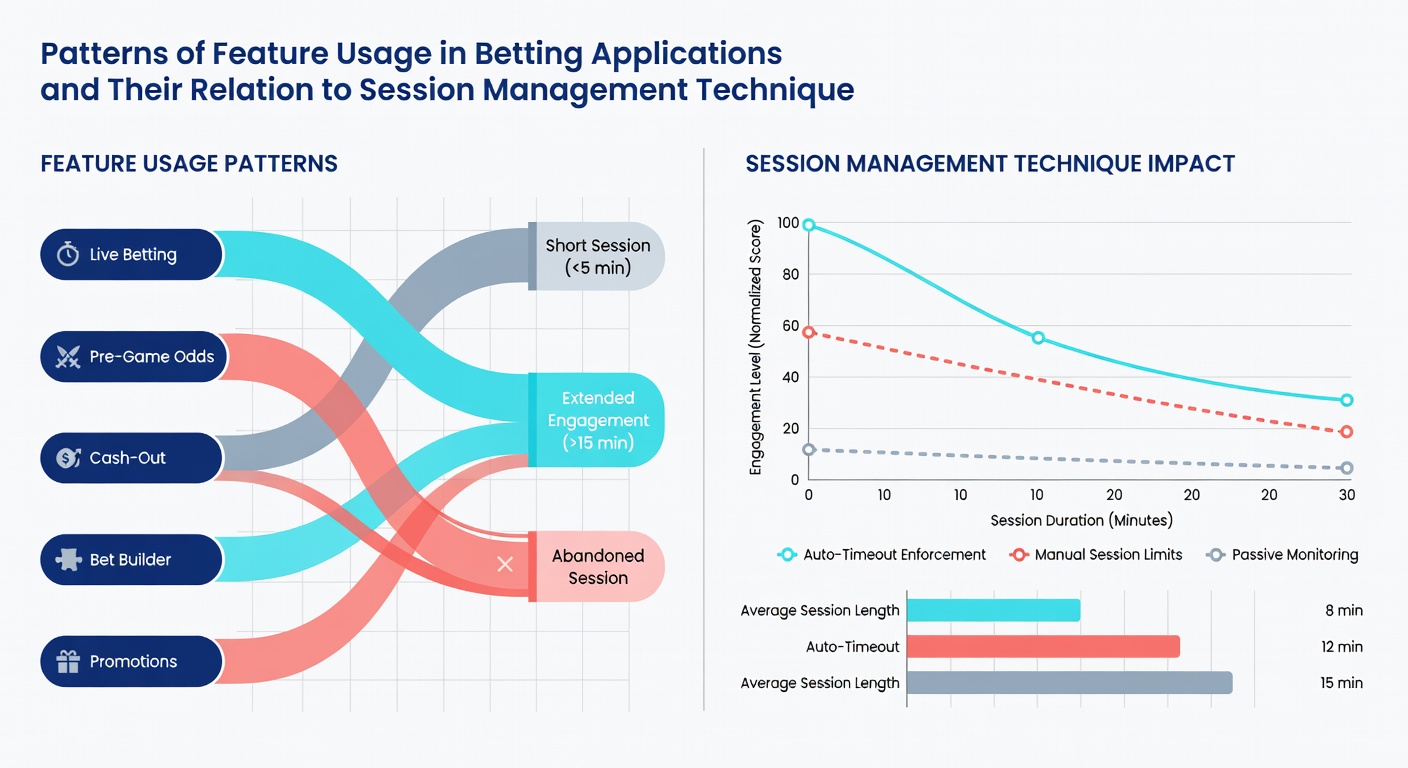
Break reminders appear at configurable intervals, and adoption data from May 2026 shows increased uptake following regulatory updates in several provinces that mandated clearer visibility for these options. Users who enable automatic session pauses demonstrate shorter average session durations overall, with median lengths dropping by 11 minutes in tracked cohorts.
Correlational Patterns Across User Cohorts
Longitudinal studies conducted by academic teams at the University of Sydney have mapped connections between feature sequences and subsequent management tool use. Participants who frequently accessed live betting interfaces recorded a 27 percent higher rate of later enabling reality-check notifications compared with those who stuck to pre-match wagers. This pattern holds across multiple data sets collected between late 2025 and spring 2026.
Deposit frequency also correlates with limit adoption, as users making three or more deposits within a single session show elevated likelihood of setting a daily cap afterward. Observers tracking these behaviors across European markets report similar trends, though the strength of the association differs by jurisdiction due to varying default settings on new accounts.
Platform Variations and Regional Data
Differences emerge when comparing iOS and Android versions of the same applications, with Android users demonstrating higher interaction rates with session summary screens that appear at logout. Figures released by the National Council on Problem Gambling in the United States highlight that 61 percent of Android sessions end with a review of time and spend statistics, versus 49 percent on iOS devices.
Multi-state operators in the U.S. have adjusted interface layouts in response to these findings, repositioning management tools closer to high-usage betting buttons. Early indicators from May 2026 telemetry suggest these layout changes coincide with modest increases in voluntary limit setting among new accounts.
Conclusion
Patterns of feature usage within betting applications demonstrate consistent relationships with session management technique adoption, particularly around timing of cash-out actions, deposit frequency, and notification responses. Continued data collection from regulatory and academic sources will refine understanding of these dynamics as platforms evolve their designs through 2026 and beyond.