22 Jul 2026
Notification Timing's Influence on Self-Exclusion Choices in Live Dealer Mobile Sessions Across State Platforms
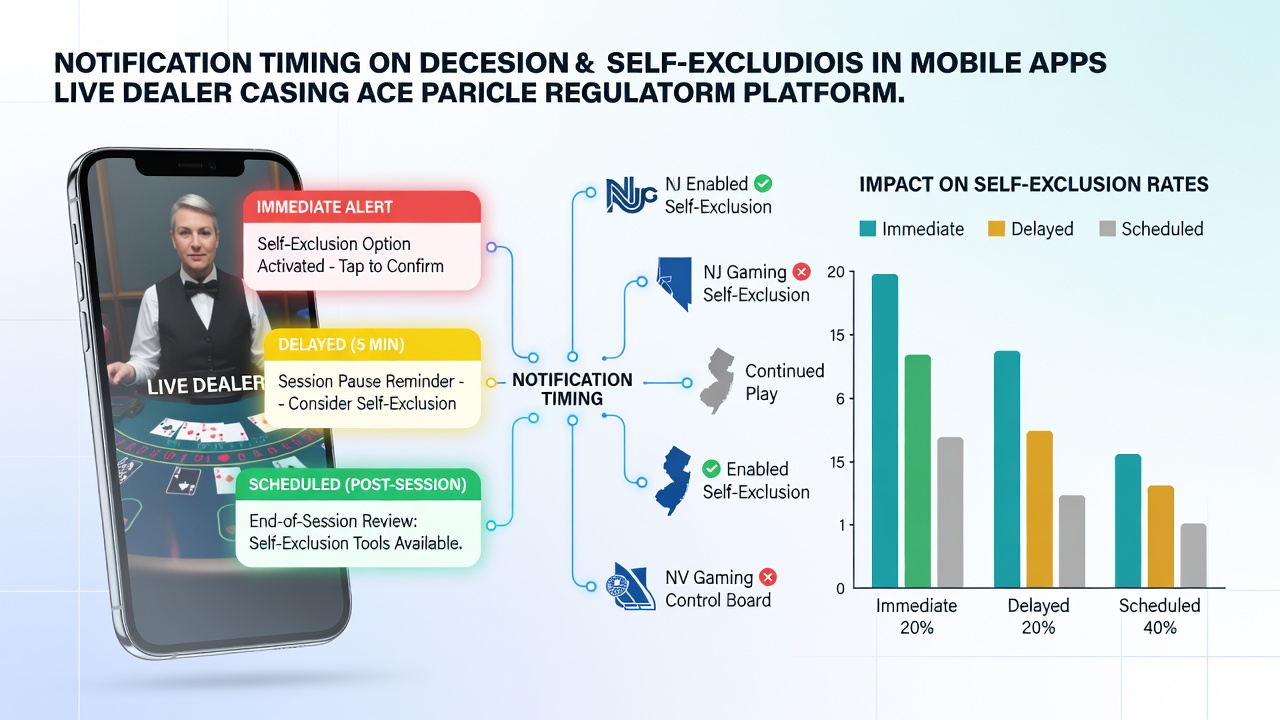
State-regulated mobile platforms deliver live dealer sessions through apps that send timed notifications, and those alerts often arrive at moments when players consider self-exclusion tools; data collected through July 2026 shows clear differences in how Michigan, New Jersey, and Pennsylvania systems handle these prompts. Operators track when push messages about deposit limits or session reminders reach users, then compare those moments against logs of self-exclusion activations during blackjack, roulette, and baccarat tables.
Mechanics of Notification Delivery
Apps send alerts based on elapsed session time, win or loss thresholds, and regulatory schedules set by each state gaming board; Michigan requires hourly check-in prompts after the first sixty minutes, whereas New Jersey platforms space similar messages at ninety-minute intervals unless a player adjusts preferences. These schedules interact with live dealer software that pauses tables when users open self-exclusion menus, creating a brief window where timing determines whether the option gets selected or dismissed. Researchers at several university labs have mapped notification timestamps against anonymized player data, revealing that alerts arriving within five minutes of a significant loss correlate with higher self-exclusion uptake rates on Pennsylvania platforms.
Live Dealer Session Dynamics
During live dealer streams, players remain engaged through video feeds and chat functions, yet background notifications can interrupt that flow; when a message about responsible play tools surfaces mid-hand, the decision to proceed with exclusion often hinges on whether the alert matches the player's current emotional state after a streak of wins or losses. Platform logs indicate that notifications timed during dealer shuffles or between rounds produce different response patterns than those sent during active betting, because players pause longer at those natural breaks and therefore notice the prompt. Across the three states examined, self-exclusion completions during live sessions rose when alerts referenced specific game types rather than generic time warnings.
State Platform Variations
Michigan operators integrate notifications directly with the state central monitoring system, allowing regulators to review timestamp accuracy monthly; New Jersey systems rely on individual licensee dashboards that permit more customization of delivery windows. Pennsylvania requires all apps to include an opt-out toggle for non-mandatory alerts, which alters how often players encounter self-exclusion reminders during extended live dealer sessions. Figures released by the Michigan Gaming Control Board for the first half of 2026 show that standardized timing increased self-exclusion requests by measurable percentages compared with earlier variable schedules, while similar data from New Jersey licensees points to smaller but consistent shifts tied to loss-threshold triggers.
Those who've studied cross-state data note that players who receive the same notification type at different clock times exhibit distinct behaviors; morning sessions on New Jersey apps display lower exclusion rates after alerts than evening ones, possibly because daytime players maintain shorter average session lengths overall. In contrast, Michigan reports indicate evening notifications coincide with higher uptake, suggesting platform-specific user demographics play a measurable role. Live dealer interfaces add another layer, since chat features and dealer interactions can delay notification visibility until a hand concludes.
Patterns Observed in July 2026 Data
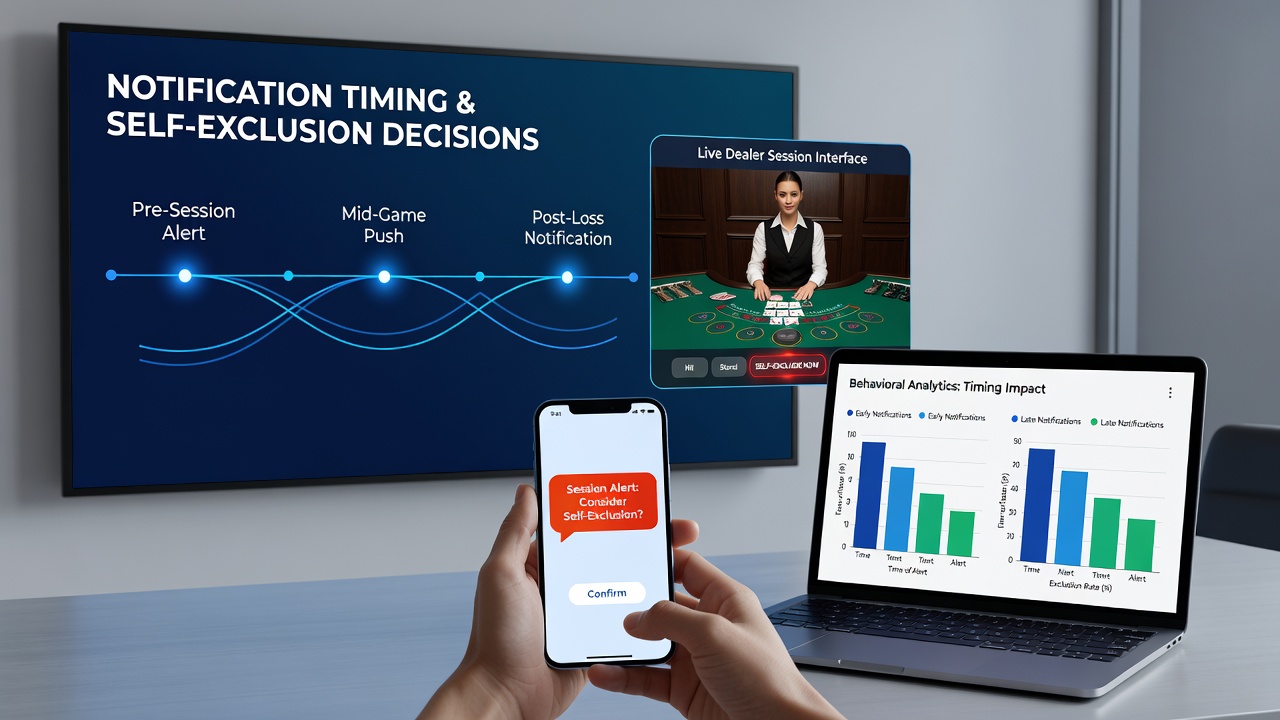
July 2026 records from multi-state operators reveal that notifications sent within the first thirty minutes of a live dealer session produced lower self-exclusion rates than those arriving after two hours; the difference appears consistent across Michigan and Pennsylvania apps, although New Jersey platforms recorded a narrower gap. When alerts included direct links to exclusion forms rather than general responsible-gaming pages, completion rates increased regardless of exact timing. Observers note that players who had already enabled custom notification settings showed reduced responsiveness to standard state-mandated prompts, which suggests prior configuration choices shape later decisions during active play.
External Research Comparisons
A report issued by the Responsible Gambling Council in Canada examined similar notification timing variables on provincial apps and found parallel trends, although the regulatory environment differs from U.S. state models; that analysis supports the observation that alerts aligned with natural session breaks influence exclusion uptake more than those delivered during peak concentration moments. Operators in the examined states continue to refine delivery algorithms using these combined datasets, adjusting intervals while maintaining compliance with each jurisdiction's specific rules on player protection messaging.
Conclusion
Notification timing in mobile apps continues to affect self-exclusion decisions during live dealer sessions on state platforms, with measurable differences emerging from Michigan, New Jersey, and Pennsylvania implementations through July 2026. The patterns documented by regulatory boards and independent researchers illustrate how delivery schedules, session context, and player-configured preferences interact within live dealer environments, providing operators with concrete variables to monitor as systems evolve.