23 May 2026
How Loyalty Tiers in Virtual Casino Platforms Shape Session Timing and Self-Limit Adoption Rates
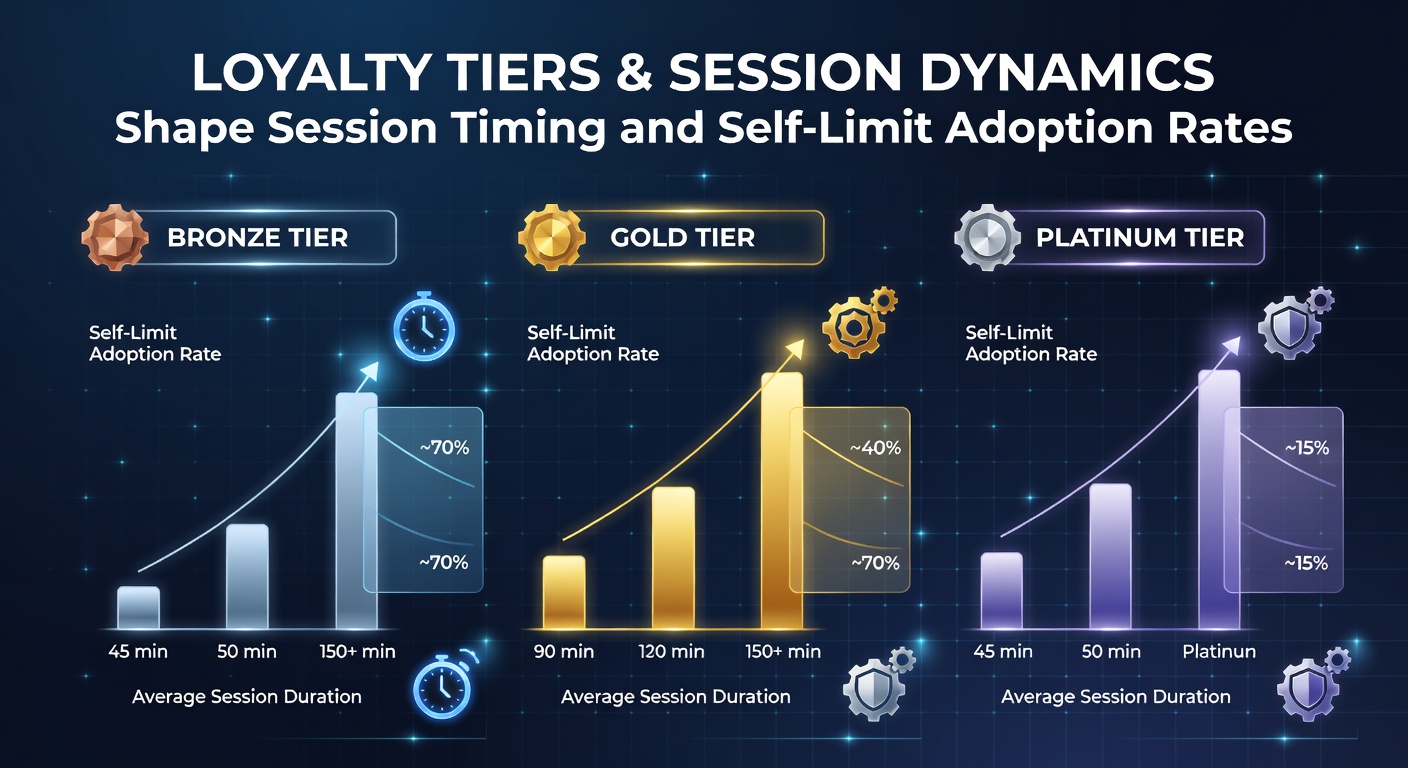
Virtual casino platforms have integrated loyalty tier systems that reward accumulated play with escalating benefits, and researchers tracking user data across multiple operators note distinct shifts in how players structure their sessions as they climb these levels. Higher tiers often unlock accelerated point multipliers along wth exclusive bonuses that require continued activity within set windows, which leads many participants to extend their time online to maintain status. Studies from academic institutions in North America reveal that players in mid-tier brackets such as silver or gold average 35 percent longer sessions than entry-level users, primarily because the reward structures tie additional perks to consecutive days or hours of engagement.
Mechanics of Tier Progression and Time Allocation
Platforms calculate tier advancement through a combination of wager volume, frequency, and sometimes deposit totals, creating a framework where each level demands progressively more sustained interaction to unlock the next set of advantages. Data compiled by Canadian regulatory bodies shows that once players reach platinum status, their average session length increases by an additional 22 minutes compared with the prior tier, largely driven by time-sensitive challenges that reset weekly. Operators design these systems with visible progress bars and countdown timers that encourage users to log in during peak reward periods, and analysts at research centers in Australia have documented corresponding spikes in evening activity as members chase tier maintenance bonuses. Those patterns emerge consistently across platforms because the algorithms prioritize retention metrics that favor extended play over fragmented visits.
Impact on Self-Limit Tools and Player Controls
Self-limit features allow users to cap deposits, losses, or session durations, yet loyalty programs can indirectly influence how frequently individuals activate these controls. Figures released by the Victorian Responsible Gambling Foundation indicate that players in the upper loyalty tiers adopt session time limits at rates 18 percent lower than those in bronze or silver categories, a trend attributed to the perceived opportunity cost of interrupting progress toward monthly rewards. Platform interfaces often place self-limit prompts in secondary menus while featuring loyalty dashboards prominently, and observational data from European operators suggests this layout reduces the likelihood of mid-session adjustments among high-tier users who receive personalized notifications about upcoming tier benefits.
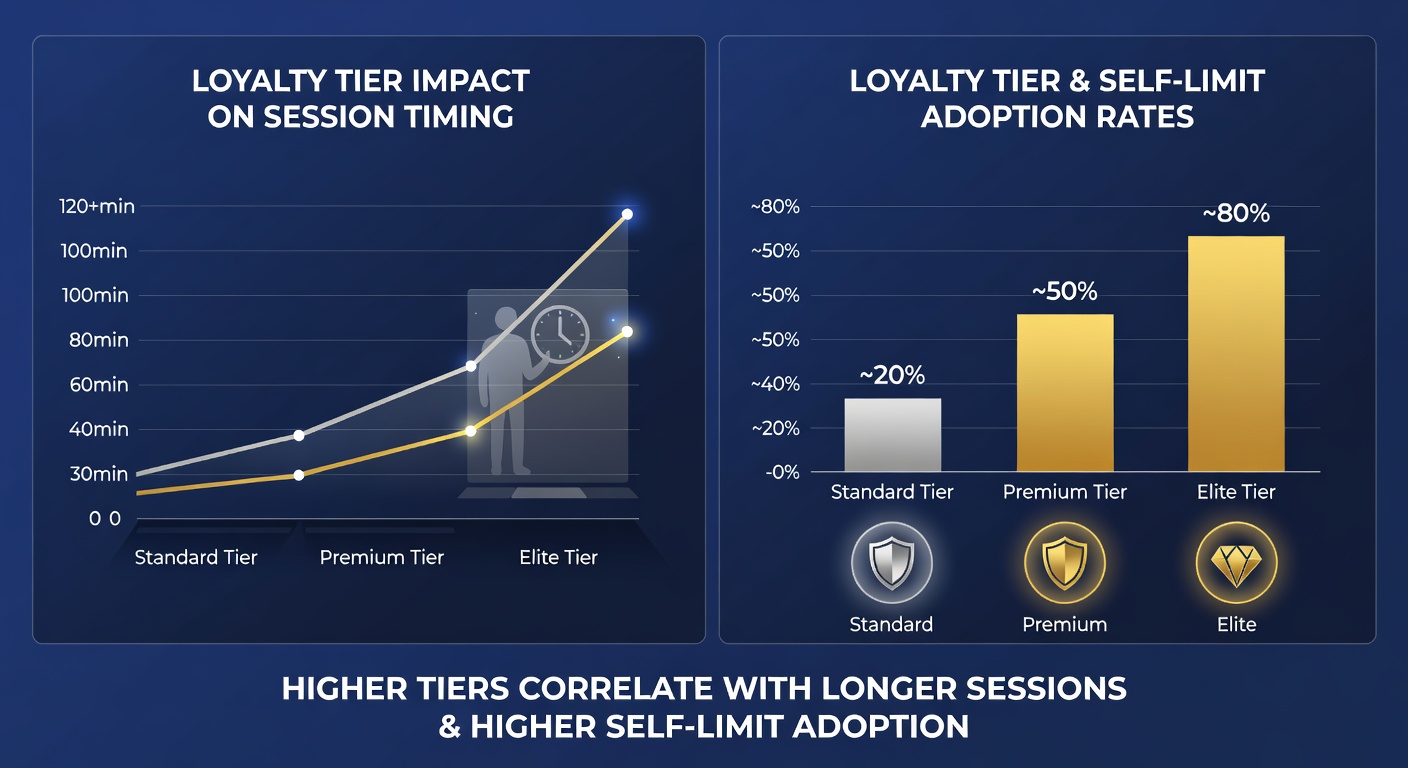
Yet adoption rates vary when operators introduce tier-specific incentives for responsible play, such as bonus credits awarded for maintaining preset limits over a calendar month. Research from the University of Sydney's gambling studies unit found that such targeted nudges raised self-limit usage among gold-tier members by 27 percent during a six-month trial period ending in early 2026, demonstrating that reward alignment can counteract some of the extension effects built into standard progression models.
Regional Data Patterns Emerging in 2026
Activity logs analyzed through May 2026 highlight how tier-driven timing changes differ by jurisdiction, with North American platforms reporting steadier increases in weekend session lengths among loyalty members compared with weekday patterns. Regulatory reports from Ontario's iGaming sector note that players who advanced two or more tiers within a quarter extended average play windows by 41 minutes, while deposit self-limits remained stable only when accompanied by automated reminders tied directly to loyalty milestones. In contrast, operators serving Australian markets observed that silver-tier participants who received weekly progress summaries reduced their longest sessions by nearly 15 percent after self-limit tools were integrated into the tier dashboard itself.
These variations arise because local regulations influence how prominently self-limit options appear alongside loyalty information, and cross-platform comparisons conducted by independent research groups confirm that clearer integration correlates with higher adoption across all tiers. Session timing data further reveals that lower-tier users tend to cluster activity around promotional events, whereas elite members maintain more consistent daily engagement to preserve accumulated benefits.
Platform Design Elements Driving Behavioral Shifts
Interface elements such as real-time tier meters and streak counters play a measurable role in guiding when users decide to end or continue sessions. Analysts reviewing anonymized telemetry from multiple virtual casino environments have identified that visible countdowns to the next reward tier prompt users to add at least one additional round or spin before logging off, an effect most pronounced among those within 10 percent of the next level threshold. Meanwhile, self-limit adoption improves when platforms allow players to schedule limits in advance and link them to loyalty calendar events, according to findings shared by the National Council on Problem Gambling in its 2025 industry review.
Operators continue refining these systems with A/B testing that measures both retention and limit-setting metrics, and early 2026 results show modest gains in balanced play when loyalty notifications include neutral reminders about available control tools. Such adjustments reflect ongoing efforts to align reward structures with regulatory expectations without altering core progression incentives.
Conclusion
Loyalty tiers in virtual casino environments create measurable influences on session duration and the uptake of self-limit features, with patterns documented through regulatory data and academic tracking up to May 2026. Higher tiers correlate with extended play windows driven by time-bound rewards, while targeted integrations of control tools within loyalty interfaces can lift adoption rates across brackets. Observers continue monitoring these dynamics as platforms evolve their designs and jurisdictions refine disclosure requirements around reward mechanics.