3 Jun 2026
Global Online Gambling Market Set for Significant Expansion Through 2031

Projections compiled for 2026 place the global online gambling market at $120.35 billion, with continued expansion expected at an 11.99% compound annual growth rate that carries the sector to $211.99 billion by 2031. These figures come from aggregated industry data that tracks revenue across major regions and device types, and they reflect steady adoption patterns that have held through the first half of 2026.
Regional Breakdown Shows Europe Leading
Europe accounts for roughly 49.1% of the total market, a share driven by established regulatory frameworks in countries such as the United Kingdom, Germany, and several Nordic nations. Observers note that this dominance stems from early legalization of various betting formats combined with widespread broadband access, while other regions continue to develop their own licensing structures at different paces. Data indicates that European operators have captured consistent player bases through mobile-first platforms that integrate sports betting alongside casino-style games.
Mobile Devices Drive Player Engagement
Smartphone usage stands at approximately 80% among online gambling participants worldwide, a shift that has reshaped how sessions begin and end. Figures reveal that most activity now occurs through dedicated apps rather than desktop browsers, with operators optimizing interfaces for smaller screens and shorter attention spans. Those who have studied participation rates point out that mobile convenience correlates with higher frequency of shorter sessions, although total time spent remains stable across the broader user pool.
United States Trends and Revenue Patterns
In the United States, revenue from sports betting and online casinos has followed upward trajectories in states with active regulatory oversight. Commercial gaming revenue tracker data shows continued contribution from these verticals even as overall volumes fluctuate month to month. As of June 2026, multiple jurisdictions report sustained interest in mobile sportsbooks alongside growing igaming offerings, with participation rates varying by age group and state-specific rules. Observers note that expansion in these markets often tracks legislative changes rather than sudden shifts in consumer behavior.
Participation rates globally hover around levels that align with the projected market size, and researchers have tracked steady increases tied to improved digital payment options and localized marketing. Data shows that new entrants frequently begin with free-play or low-stakes options before moving into real-money activity, a pattern visible across both mature and emerging markets.
Health Considerations and Reported Risks
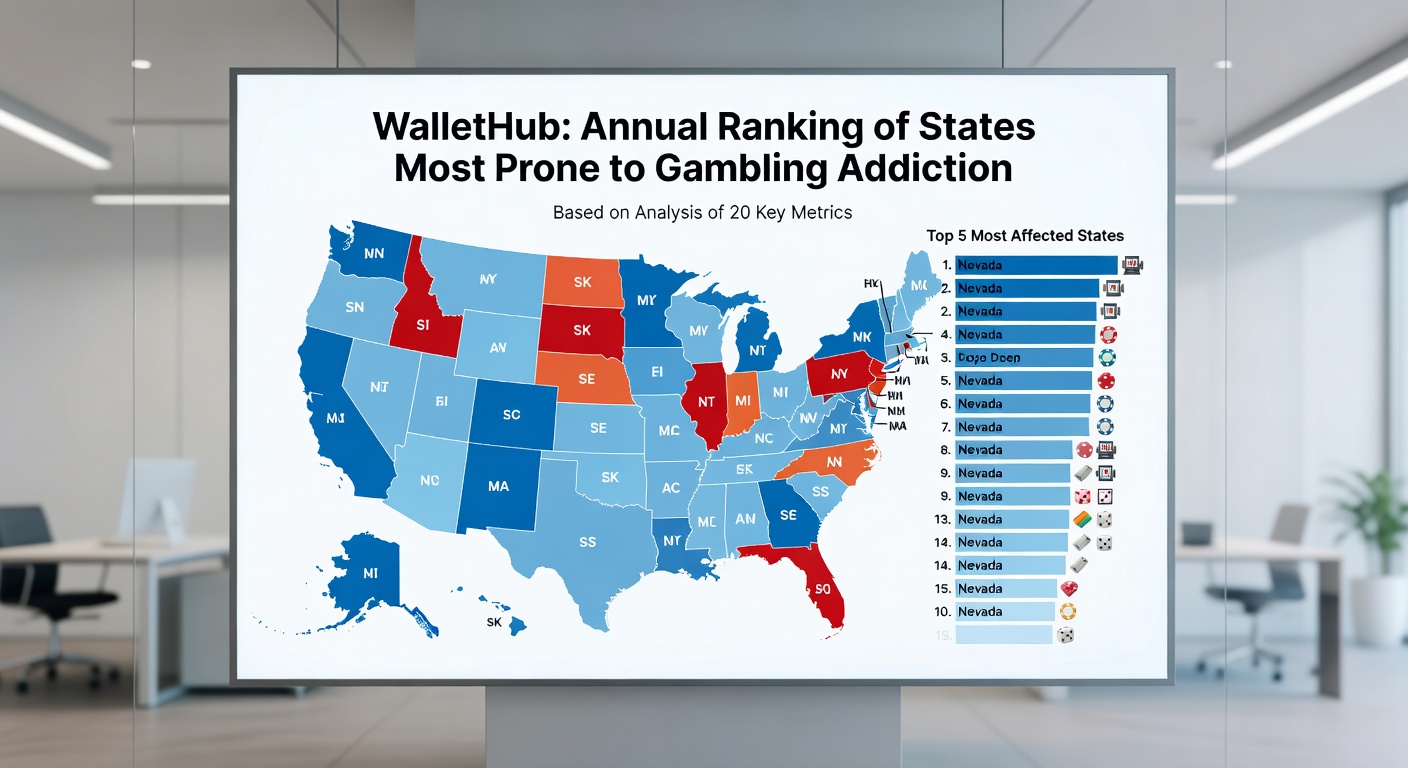
Gambling harm continues to affect millions of individuals, prompting ongoing discussion among regulators and public health groups. Studies have documented correlations between higher participation volumes and increased reports of financial strain or emotional distress, leading some jurisdictions to implement mandatory self-exclusion tools and spending limits. Those who monitor these trends emphasize that the same mobile accessibility driving market growth also creates pathways for rapid escalation in certain user segments.
Evidence suggests that harm reduction measures, when paired with clear disclosure of odds and responsible gaming resources, can mitigate some negative outcomes without slowing overall sector expansion. Figures from multiple regions indicate that awareness campaigns reach a portion of at-risk players, though effectiveness varies based on enforcement and cultural factors.
Looking Ahead to 2031
The 11.99% CAGR projection assumes continued technological improvements in user interfaces and payment processing, alongside gradual regulatory harmonization in additional countries. Researchers have observed that markets opening later often accelerate faster once infrastructure is in place, which could influence whether the upper end of the forecast range is reached. Data compiled through mid-2026 already shows early signs of this acceleration in parts of Asia and Latin America where new frameworks are taking effect.
Conclusion
Market statistics for 2026 establish a clear baseline for expected growth through the remainder of the decade, with Europe retaining its leading position while mobile engagement remains the dominant access method. U.S. revenue patterns add another layer of momentum in regulated states, even as participation rates and associated risks receive continued scrutiny from health authorities. The path to $211.99 billion by 2031 depends on how these elements interact across different regulatory environments, and updated figures will continue to clarify the trajectory in coming years.