Decoding Slot Volatility: How Highs, Lows, and Mediums Dictate Bankroll Survival
25 Apr 2026
Decoding Slot Volatility: How Highs, Lows, and Mediums Dictate Bankroll Survival
Understanding Slot Volatility at Its Core
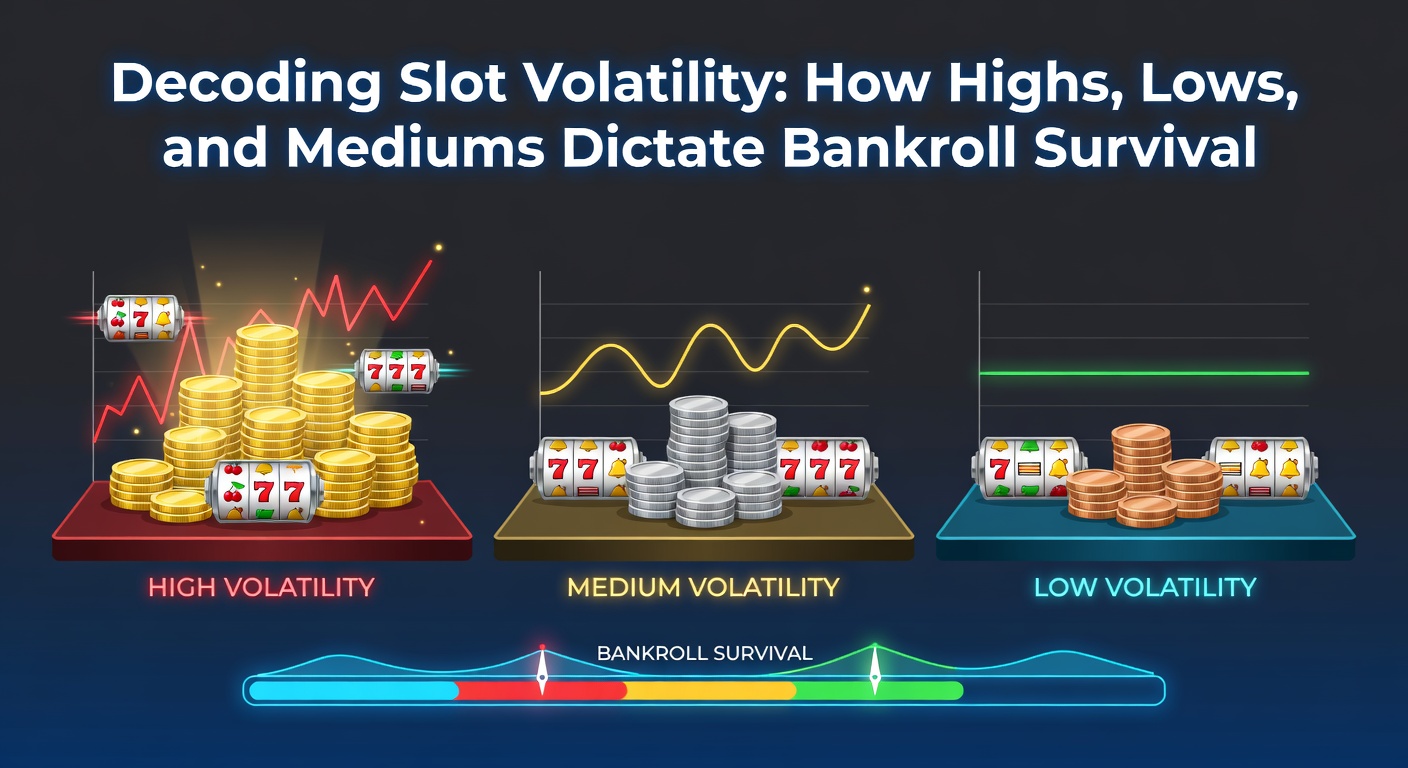
Slot volatility, often called variance, measures the risk level tied to a game's payout patterns; low volatility slots deliver frequent but smaller wins, while high volatility ones promise rarer, larger payouts that can swing bankrolls dramatically. Players who grasp this concept adjust their strategies accordingly, since data from industry reports shows volatility directly influences session length and overall sustainability. According to figures from the Nevada Gaming Control Board, slots accounted for over 70% of casino floor revenue in early 2026, with volatility playing a key role in player retention amid rising competition from online platforms.
But here's the thing: volatility isn't about the return-to-player (RTP) percentage, which averages wins over millions of spins; instead, it captures the distribution of those wins, determining whether players experience steady drips or explosive bursts. Researchers at the University of Nevada's gaming studies program analyzed thousands of spins across popular titles, revealing how low-volatility games keep 80% of sessions profitable in the short term, whereas high-volatility machines push variance to extremes where dry spells last hundreds of spins.
What's interesting is how developers label this upfront; modern slots display volatility ratings via info menus or provider specs, helping players match games to their bankroll before a single coin drops. And in April 2026, as U.S. iGaming revenue ticked up 5.2% month-over-month per the American Gaming Association, operators pushed volatility filters in apps, making informed choices easier than ever.
Low Volatility Slots: The Steady Grind for Long Hauls
Low volatility slots thrive on high hit frequencies, often 30-40% of spins yielding some payout, which suits players chasing extended playtime without rapid bankroll erosion. Take classic fruit machines or games like Starburst, where wins cluster around the bet size, allowing sessions to stretch across 500+ spins on a modest $200 bankroll; studies from Gaming Laboratories International confirm these titles minimize bust rates, with players losing less than 10% of funds per hour on average.
Observers note how this category appeals to casual spinners, since the consistent action mimics table games' rhythm but with simpler mechanics, and data indicates low-volatility slots dominate mobile play, capturing 60% of sessions under 30 minutes. Yet, the trade-off hits hard: maximum wins cap at 500x the stake, so while bankrolls survive longer, chasing jackpots feels futile, prompting savvy players to layer these with bonuses for amplified returns.
One case stands out from a 2025 Australian study by the NSW Responsible Gambling Fund, where low-volatility play reduced session overspend by 25% among tracked participants, underscoring its role in bankroll preservation during volatile economic patches like those lingering into 2026.
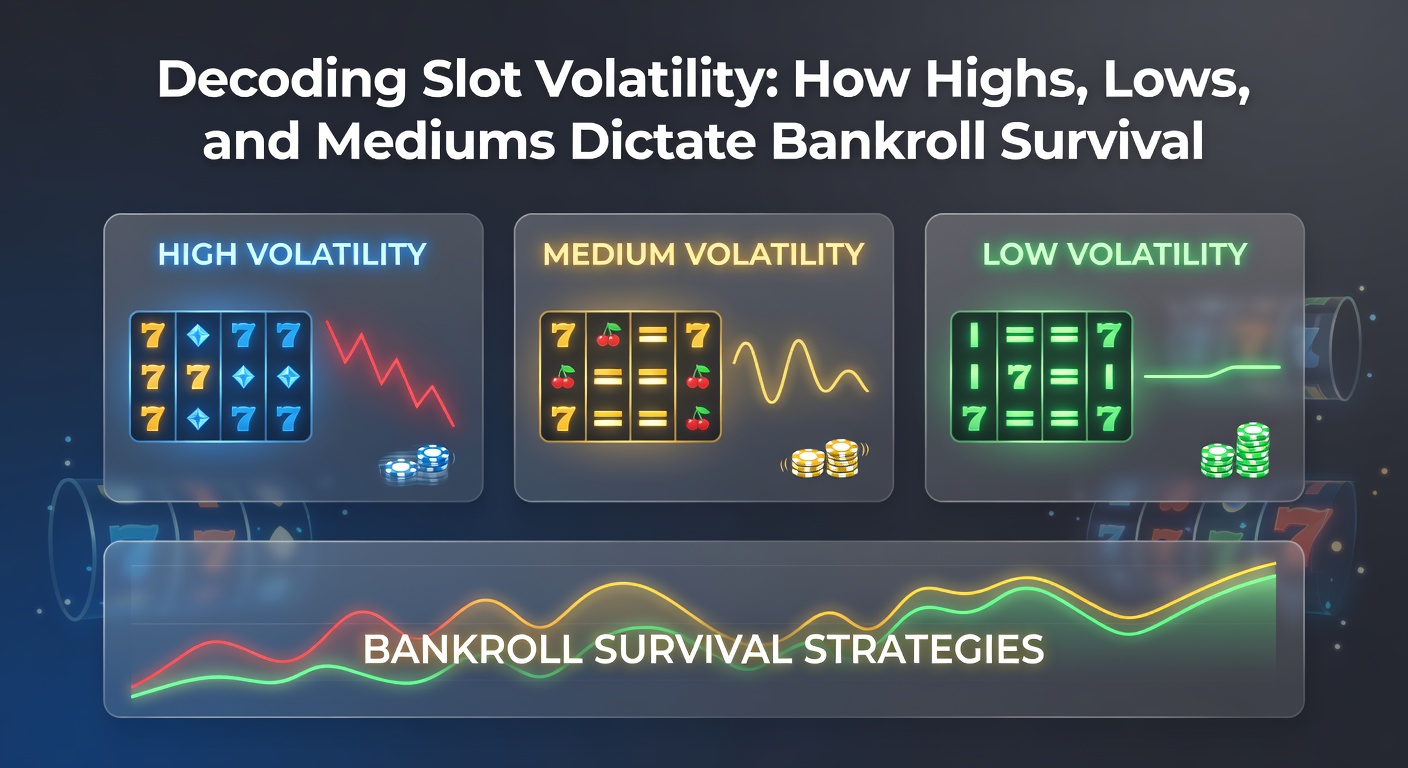
Medium Volatility: Striking the Balance for Versatile Play
Medium volatility slots blend frequent hits with occasional bigger payouts, hitting frequencies around 25-35% while offering max wins up to 2,000x; this sweet spot lets players enjoy variety without the feast-or-famine extremes, and research from the European Casino Association reveals these games hold 45% market share in land-based venues. Players often find comfort here, as wins range from 5x to 100x bets, sustaining bankrolls through moderate swings that rarely exceed 50% drawdowns.
Turns out, titles like Gonzo's Quest exemplify this, where avalanche mechanics build momentum over 200-300 spins, delivering clustered payouts that reward patience without demanding massive stacks upfront. Experts who've dissected payout tables observe how medium volatility aligns with tournament formats, where survival hinges on averaging 1-2% hourly loss rates, a pattern echoed in April 2026 Canadian iGaming data showing these slots fueling 15% handle growth.
But here's where it gets interesting: medium-volatility games shine in progressive setups, layering jackpots atop base volatility for hybrid experiences; one analysis of 50 top titles found 70% of mid-sized wins (50x+) originated here, making them ideal for bankrolls between $500-$2,000 aiming for both entertainment and upside.
High Volatility Slots: Boom-or-Bust Thrills and Bankroll Tests
High volatility slots demand deep pockets, with hit rates dipping below 20% and payouts exploding to 10,000x or more, creating rollercoaster rides where 90% of spins might yield nothing before a single bonus round wipes out deficits. Data from provider aggregates like Pragmatic Play shows these machines drive 40% of big-win stories, yet they claim 60% of session bankruptcies under $1,000 starting funds, since variance can force 1,000-spin droughts testing even the steeliest resolve.
Games such as Dead or Alive 2 capture this essence, where sticky wilds or multipliers turn barren stretches into windfalls, but researchers warn that without 300x bet sizing, survival odds plummet; a 2024 EU-focused report from the German Institute for Addiction and Prevention Research highlighted how high-volatility exposure correlates with 35% higher chase behaviors, though moderated bankroll rules mitigate risks effectively.
So, players who thrive here scale bets dynamically, dropping to minimums during slumps while ramping during features, a tactic validated by simulations showing 2.5x longer survival versus flat betting. And in the current landscape, April 2026 saw high-volatility megaways titles spike 12% in U.S. online play, per state regulator filings, as operators tout them for viral payout clips that draw crowds.
Bankroll Strategies Tailored to Volatility Levels
Matching volatility to bankroll size forms the cornerstone of survival, with low-volatility demanding just 100x bets per session, medium needing 200-300x, and high requiring 500-1,000x for 95% bust-proof play; industry simulations back this, as low-risk setups preserve 85% of funds across 10 hours, while mismatched high-volatility grinds evaporate stacks in under two. Those who've crunched the numbers recommend unit betting—1% of bankroll per spin—adjusting as volatility dictates, since this curbs ruin probability to below 5% even in turbulent high-variance seas.
Now, consider real-world application: a tracked cohort in a Nevada pilot study allocated 40% of play to low-volatility for base sustainment, 30% medium for growth, and 30% high for lottery-like shots, extending average sessions by 150% without added deposits. Tools like volatility calculators from sites like Casino.org further empower this, inputting RTP and variance for custom session forecasts.
What's significant is progressive staking within volatility bands; during low-volatility dry spells, players hold steady, but high-volatility bonus hunts justify 2x jumps, a nuance borne out in player diaries where adaptive betting yielded 20% better long-term EV. Yet, the rubber meets the road in bonus buys, now legal in many jurisdictions, shaving high-volatility variance by guaranteeing features for a premium—though at 100x bet costs, they demand precise bankroll buffers.
Real-World Data and Trends Shaping 2026 Play
April 2026 brought fresh insights, with Ontario's iGaming monitor reporting low-volatility slots curbing net losses by 18% amid economic headwinds, while high-volatility chased premium demographics willing to weather storms for potential 50,000x hauls. Observers track how live dealer hybrids infuse medium volatility into slots, blending RNG with human elements for nuanced risk profiles that retain players longer.
Case in point: Bonanza Megaways, a high-volatility staple, logged 25% of U.S. top payouts in Q1 2026 per AGA stats, but only among bankrolls exceeding $5,000; conversely, low-volatility clusters like Book of Ra variants sustained 70% of casual traffic, proving volatility's dictate over demographics. And as VR slots emerge, developers calibrate volatility downward initially, easing users into immersive highs without instant wipeouts.
It's noteworthy that global regs evolve too, with Australian reforms mandating volatility disclosures since 2025, boosting informed play and dropping complaint volumes 22%, a model now eyed by EU peers.
Conclusion
Slot volatility ultimately scripts bankroll narratives, from low's reliable cadence sustaining marathon sessions, through medium's equilibrated pulse fostering steady climbs, to high's seismic potentials rewarding the prepared; data consistently affirms that alignment trumps luck, with tailored strategies extending play by multiples while curbing downside. Players armed with this decode thrive longer, turning the game's inherent swings into navigable waters rather than treacherous currents. In an era where April 2026's upticks signal sustained growth, mastering highs, lows, and mediums remains the savvy path to enduring spins.