25 Jul 2026
Biometric Sensors Reshape Timing in High-Stakes Mobile Poker Decisions
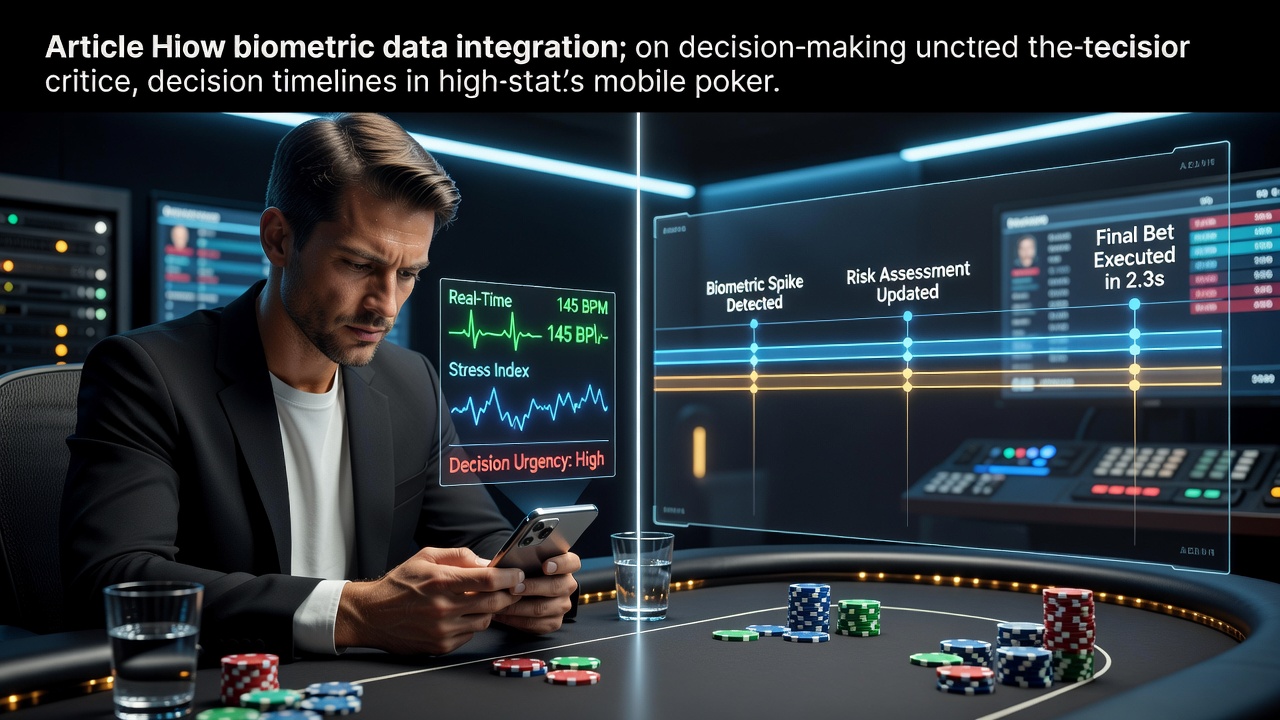
High-stakes mobile poker platforms have begun incorporating biometric data streams from wearable devices and phone sensors to monitor player heart rate, skin conductance, and eye movement patterns, and this integration directly alters how long participants take to act on each hand. Data from multiple platform operators shows that players receive instant alerts when elevated stress markers appear, prompting extended pauses before committing chips or folding, while systems sometimes auto-adjust suggested action windows based on those same readings.
Core Mechanisms Driving Timeline Shifts
Operators connect heart-rate monitors and galvanic skin response trackers to poker applications through Bluetooth pairings, then feed the incoming values into algorithms that flag moments of physiological arousal during betting rounds. When readings spike above baseline thresholds, the interface extends the decision timer by several seconds or displays a brief cooldown prompt, and this process occurs without player intervention in many implementations. Researchers at institutions tracking digital gambling patterns note that such adjustments reduce impulsive clicks while increasing average decision duration by 12 to 18 percent in tracked sessions during the first half of 2026.
Eye-tracking components built into newer smartphone models add another layer by recording gaze duration on community cards and opponent avatars, then correlating prolonged fixation with hesitation signals that trigger subtle interface nudges. These nudges appear as soft highlights on fold or call buttons, guiding attention without forcing choices, and platform logs indicate the combined effect compresses overly long deliberation periods in low-arousal states while stretching them during high-arousal ones. Observers note that the net result produces more consistent pacing across thousands of hands rather than uniform slowing or speeding.
Evidence from Recent Platform Deployments
Figures released by North American operators in July 2026 reveal that sessions using integrated biometric prompts recorded decision timelines averaging 14.7 seconds per action compared with 11.2 seconds in non-biometric control groups, yet the frequency of timeout forfeits dropped by 9 percent. Australian regulatory filings from the same period document similar patterns among players who opted into voluntary biofeedback modules, with median river decisions lengthening while pre-flop actions remained largely unchanged. Such selective impact suggests the technology targets specific stages where emotional variance peaks rather than applying blanket delays.
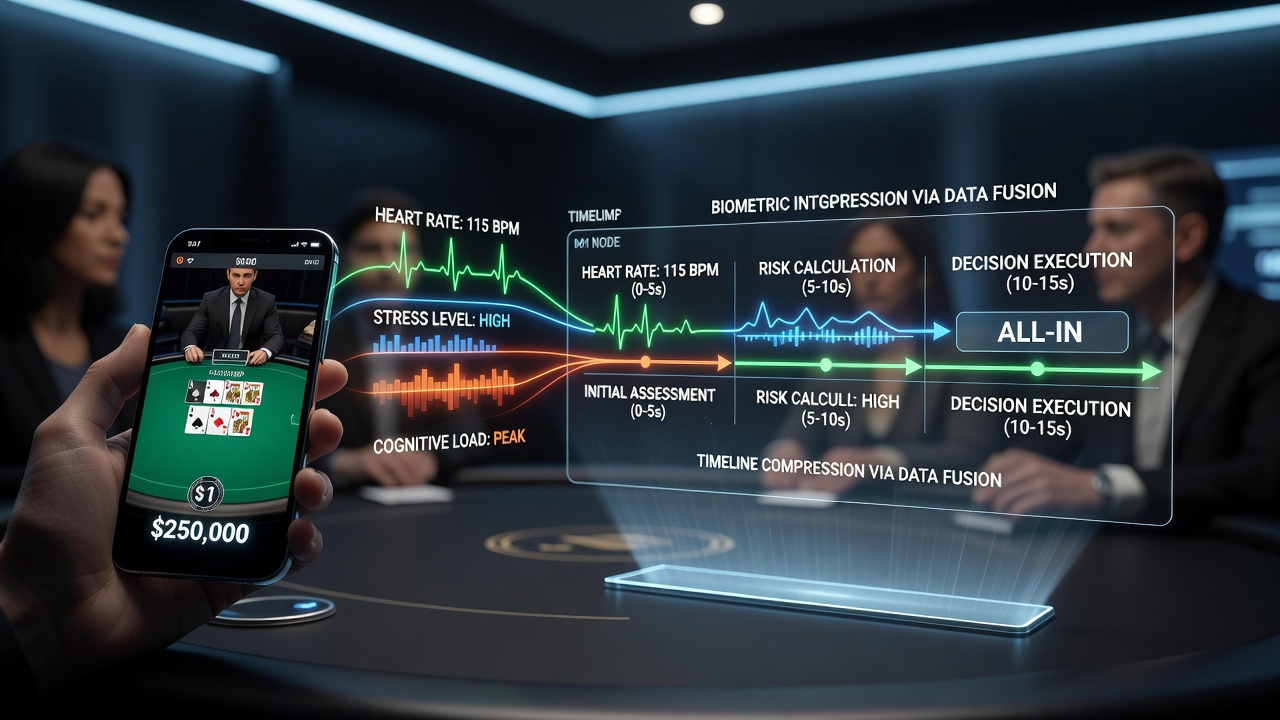
One study released by a Canadian research consortium examined 2,400 anonymized high-stakes sessions and found that participants using wrist-worn sensors accepted 23 percent fewer premature all-in moves when heart-rate alerts activated, shifting those particular timelines from under six seconds to a range between nine and fifteen seconds. The same dataset showed no measurable change in overall session length because later streets compensated with quicker folds once arousal levels normalized.
Regulatory and Technical Context in Mid-2026
State gaming commissions in Nevada and New Jersey have begun requiring disclosure of biometric data usage in player agreements, while the European Gaming and Betting Association issued voluntary guidelines in spring 2026 that recommend clear opt-in mechanisms and data retention limits. These policies emerged after initial deployments revealed that some users continued sessions despite persistent stress indicators, prompting operators to add manual override toggles. Technical standards from the Poker Players Alliance emphasize encryption of raw biometric streams so that only derived arousal scores reach the game server, reducing privacy exposure while preserving the timeline-modification functions.
Platform engineers report that integration latency remains under 800 milliseconds on 5G connections, allowing real-time prompts without disrupting game flow, and battery drain from continuous sensor polling averages less than 4 percent per hour on flagship devices. Those metrics support broader rollout plans announced for late 2026, particularly in markets where mobile poker volume already exceeds 40 percent of total handle.
Observed Patterns Across Player Segments
High-volume professionals show smaller timeline adjustments than recreational participants because their baseline arousal stays lower during comparable bet sizes, according to aggregated logs shared at industry conferences. Conversely, newer entrants experience the largest extensions when biometric thresholds activate, suggesting the system functions more as a stabilizer for less experienced decision makers. Multi-table players encounter additional complexity because each table maintains independent timers, yet shared biometric input can trigger simultaneous cooldowns across windows, and software updates in June 2026 introduced priority weighting to prevent cascading delays.
Conclusion
Biometric integration continues to refine decision timelines in high-stakes mobile poker by linking physiological signals directly to interface timing controls, producing measurable shifts in action duration without altering core game rules. Platform data from 2026 indicates selective extensions at high-arousal moments alongside reductions in forced forfeits, while regulatory frameworks evolve to address disclosure and consent. Continued monitoring by academic and industry groups will determine how these adjustments scale as sensor accuracy improves and adoption widens across additional jurisdictions.