6 Jul 2026
App Notification Systems and Their Influence on Self-Assessment Timing in Prolonged Online Casino Sessions
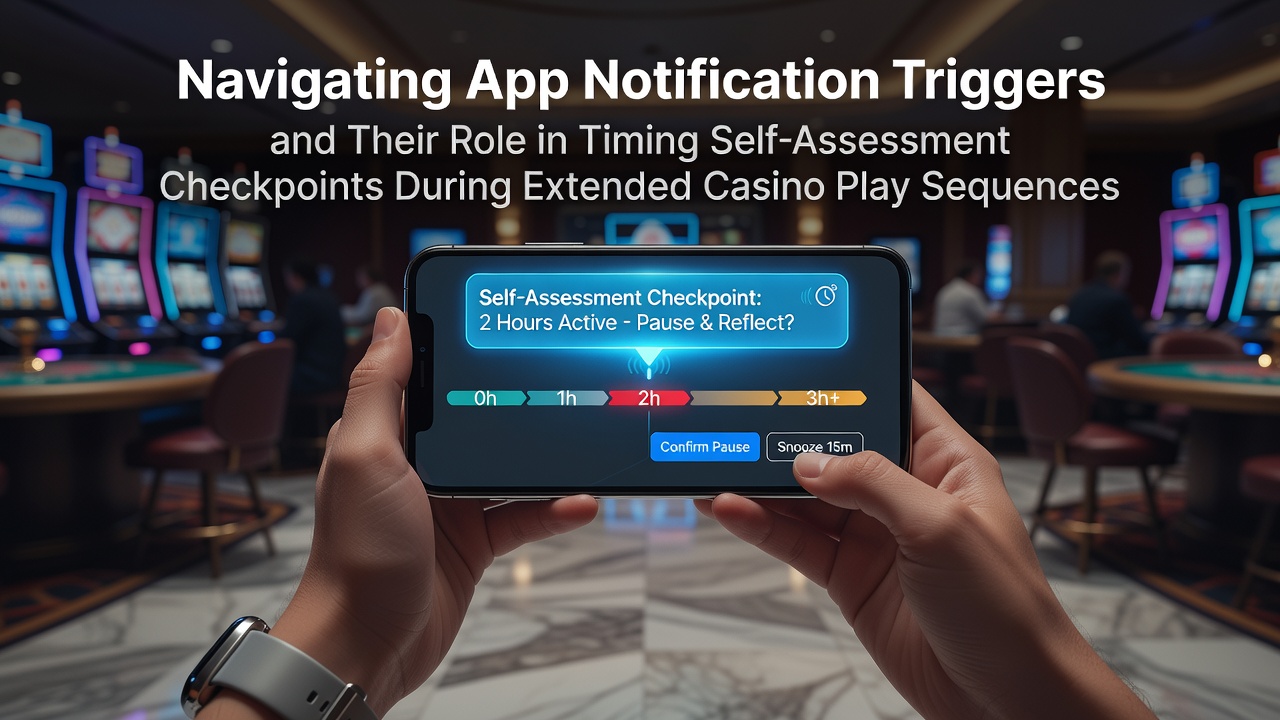
Notification triggers in mobile casino applications operate through predefined parameters that activate based on session duration, deposit frequency, and behavioral markers, which in turn prompt users toward self-assessment checkpoints at calculated intervals. These systems draw from data patterns collected across platforms, and developers integrate them to align with responsible gambling frameworks established in various jurisdictions.
Mechanics Behind Notification Triggers
Apps monitor real-time activity through backend algorithms that track elapsed time since login, cumulative wagers placed, and win-loss ratios, then fire notifications when thresholds are crossed. For instance, a trigger might activate after 60 minutes of continuous play or following a series of rapid deposits, at which point the interface displays a message encouraging a brief pause and questionnaire. Such mechanisms rely on device-level permissions and cloud-synced user profiles, allowing consistency across sessions even when players switch devices.
Researchers at institutions studying digital gambling behaviors have documented how these triggers incorporate machine learning adjustments over time, refining timing based on aggregate user responses rather than fixed rules alone. In July 2026, several North American operators updated their systems to include location-aware elements, adjusting checkpoint frequency during peak evening hours when extended sequences tend to occur more often.
Role in Structuring Self-Assessment Checkpoints
Self-assessment tools embedded in these apps typically include short surveys on mood, spending intentions, and perceived control, and notification triggers serve as the delivery vehicle that spaces these evaluations throughout longer play periods. Data compiled by industry monitoring groups shows that sessions interrupted by timed prompts exhibit higher completion rates for these checkpoints compared to unprompted voluntary checks. The triggers create natural breakpoints that align with cognitive reset opportunities, helping users evaluate whether their current trajectory matches initial limits set at the start of play.
Timing Strategies Across Platforms
Operators calibrate trigger intervals differently depending on game type and player tier, with slot-focused apps often using shorter windows than table game environments because of higher spin velocity. One study released by a Canadian research consortium found that notifications spaced at 45-minute intervals during multi-hour sequences correlated with increased adoption of limit-setting features in subsequent sessions. Meanwhile, European platforms have experimented with adaptive spacing that lengthens or shortens based on prior checkpoint engagement rates.
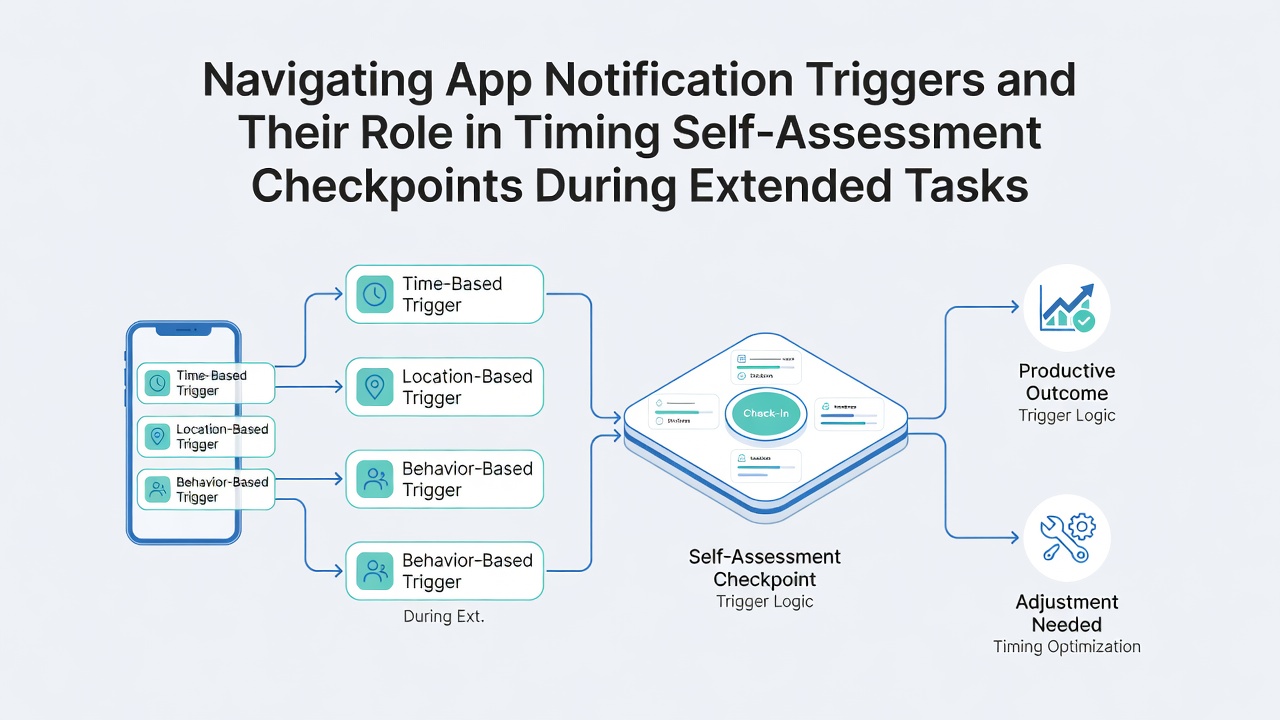
These adjustments draw from anonymized datasets shared among members of trade associations, which track metrics such as average session length and voluntary exit points. When triggers coincide with bonus round completions or near-miss events, completion of the self-assessment rises further, according to internal metrics reported by several multi-state operators.
Integration With Broader Responsible Gambling Measures
Notification systems connect directly to account-level controls, including deposit caps and reality-check reminders that users can customize during initial onboarding. Regulatory filings from Australian oversight bodies indicate that platforms incorporating dynamic triggers report measurable shifts in average play duration, particularly among users who engage with multiple checkpoint prompts. These integrations also feed into centralized player tracking databases used by some state regulators to identify patterns requiring additional support resources.
Observers note that the effectiveness of timing hinges on user notification preferences, which many apps allow players to modify through settings menus. When users opt for less intrusive delivery methods such as in-app banners rather than push alerts, checkpoint participation rates adjust accordingly, a pattern confirmed in analyses conducted by university-affiliated gambling research centers.
Conclusion
Notification triggers function as structural elements within mobile casino ecosystems that organize self-assessment opportunities during extended play, drawing on session data and behavioral signals to determine optimal delivery moments. As platforms continue refining these features through 2026 and beyond, the interplay between automated prompts and user-driven evaluation remains central to how operators support session management across diverse regulatory landscapes.